Slot Machines: The Ultimate High-Stakes Thrill Ride
Introduction
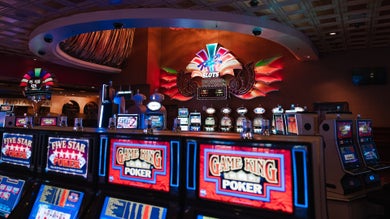
Picture this: the dazzling lights, the hypnotic spinning reels, the enticing sounds of coins clattering – slot machines, those ubiquitous fixtures of casinos and online platforms, promise an exhilarating rush. They offer the allure of instant riches, a chance to transform a small wager into a life-altering jackpot. But behind the shimmering façade lies a complex world of probabilities, psychology, and potential pitfalls. Are they truly the ultimate thrill ride, or a pathway to unintended consequences? Let’s delve deeper and explore the high-stakes game that slot machines offer.
The Allure of the Spin: A Shot of Dopamine
The appeal of slot machines is undeniable. Their simplicity is part of the charm. No complex strategies or intricate rules to master – just insert a coin, press a button, and watch the reels spin. This ease of play, coupled with the element of chance, triggers a powerful release of dopamine in the brain. This neurotransmitter, associated with pleasure and reward, reinforces the behavior, making us want to keep spinning, keep chasing that elusive jackpot.
The anticipation itself is a drug. Each spin holds the promise of a win, however small. This constant possibility, even when statistically improbable, keeps players engaged. Add to that the vibrant graphics, engaging sound effects, and the occasional near-miss – those agonizing moments when the reels almost align – and you have a recipe for an incredibly captivating experience.
The Shadow Side: Short-Term Thrills, Long-Term Costs
However, the thrill of the spin can quickly turn sour. What starts as a harmless diversion can, for some, escalate into a problematic habit. The very features that make slot machines so appealing – their accessibility, simplicity, and the illusion of control – can contribute to their addictive nature.
Short-Term Impacts:
- Financial Strain: The most immediate impact is often financial. Chasing losses, betting more than one can afford, and neglecting financial responsibilities are common consequences. A few hours at the slots can quickly deplete savings accounts, leading to stress, anxiety, and strained relationships.
- Emotional Distress: The constant highs and lows of winning and losing can take a toll on emotional well-being. Feelings of guilt, shame, and regret are common, especially after a losing streak.
- Neglect of Responsibilities: As the obsession grows, individuals may begin to neglect work, family, and other important aspects of their lives in favor of spending more time and money at the slots.
Long-Term Impacts:
- Debt and Bankruptcy: Uncontrolled spending on slot machines can lead to significant debt accumulation. High-interest loans, credit card debt, and even bankruptcy can become a harsh reality.
- Relationship Breakdown: Gambling addiction can put immense strain on relationships with family and friends. Secrecy, lies, and financial instability can erode trust and lead to irreparable damage.
- Mental Health Issues: Problem gambling is often linked to other mental health conditions, such as depression, anxiety, and substance abuse. The stress and emotional turmoil associated with addiction can exacerbate these issues.
- Social Isolation: As the addiction deepens, individuals may withdraw from social activities and isolate themselves from loved ones, further compounding their problems.
- Physical Health Issues: The stress and anxiety associated with problem gambling can also manifest in physical health problems, such as insomnia, headaches, and digestive issues.
Breaking the Cycle: Practical Solutions for a Brighter Future
Recognizing the potential for harm is the first step towards responsible gambling. But for those struggling with a gambling problem, more concrete action is needed. Fortunately, there are several practical solutions and approaches that can help.
- Self-Awareness and Acknowledgement: The most crucial step is recognizing that a problem exists. Honest self-assessment is essential. Are you spending more time or money on slots than you intended? Are you experiencing feelings of guilt or anxiety related to your gambling? If the answer is yes, it’s time to take action.
- Example: Keep a detailed record of your gambling expenses and time spent playing. This can provide a clear picture of the extent of the problem.
- Setting Limits and Boundaries: Implement strict limits on both time and money spent gambling. This could involve setting a budget for each session and sticking to it, or limiting the amount of time you spend playing per day or week.
- Example: Use pre-paid cards with a set limit for gambling to avoid overspending. Most casinos and online platforms allow you to set deposit limits.
- Self-Exclusion Programs: Many casinos and online platforms offer self-exclusion programs, which allow individuals to ban themselves from the premises or website for a specified period. This can provide a much-needed break and prevent further losses.
- Example: A case study published in the Journal of Gambling Studies found that self-exclusion programs can be effective in reducing gambling behavior and associated harms.
- Seeking Professional Help: Don’t hesitate to seek professional help from a therapist or counselor specializing in addiction. Cognitive Behavioral Therapy (CBT) and other therapeutic approaches can help individuals identify and change their gambling behaviors.
- Example: Gamblers Anonymous (GA) is a support group that follows a 12-step program, similar to Alcoholics Anonymous. GA meetings offer a safe and supportive environment for individuals to share their experiences and receive encouragement from others.
- Building a Support Network: Surround yourself with supportive friends and family members who understand your struggles. Sharing your experiences and seeking support from others can help you stay motivated and accountable.
- Example: Talk to a trusted friend or family member about your gambling problem and ask for their support in setting and maintaining limits.
- Finding Alternative Activities: Replace gambling with healthier and more fulfilling activities. This could involve pursuing hobbies, spending time with loved ones, exercising, or volunteering.
- Example: Take up a new hobby, such as painting, hiking, or playing a musical instrument. These activities can provide a sense of accomplishment and help you redirect your focus away from gambling.
Alternative Approaches: Tailoring Solutions to Fit Your Needs
No one-size-fits-all solution exists. Experiment with different approaches to find what works best for you. Some individuals may benefit from a combination of strategies, such as setting limits, seeking professional help, and building a support network.
- Mindfulness and Meditation: Practices like mindfulness and meditation can help individuals become more aware of their thoughts and feelings, and develop coping mechanisms for managing cravings and urges.
- Financial Counseling: If financial problems are a major concern, consider seeking financial counseling to develop a budget, manage debt, and learn about financial planning.
- Technological Tools: Several apps and software programs are available to help individuals track their spending, set limits, and block access to gambling websites.
- Family Therapy: If gambling is affecting your family relationships, consider family therapy to address the underlying issues and develop strategies for communication and conflict resolution.
Turning the Page: Embracing a Future Free from Addiction
Breaking free from the grip of slot machines and regaining control of your life is possible. It requires courage, determination, and a willingness to seek help. By implementing these practical solutions, building a strong support network, and finding alternative activities, you can reclaim your financial stability, restore your relationships, and embark on a path towards lasting recovery.
Remember, you are not alone. Many people have successfully overcome gambling addiction and gone on to lead fulfilling and productive lives. With the right support and resources, you too can experience the joy and freedom of a life free from the high-stakes thrill ride of slot machines.
Take that first step today. Reach out for help, set a limit, or simply acknowledge the problem. Every small step forward is a victory worth celebrating. The journey to recovery may be challenging, but the rewards – financial security, emotional well-being, and healthy relationships – are immeasurable. Believe in yourself, stay committed to your goals, and embrace the opportunity to create a brighter, more fulfilling future. You’ve got this!