
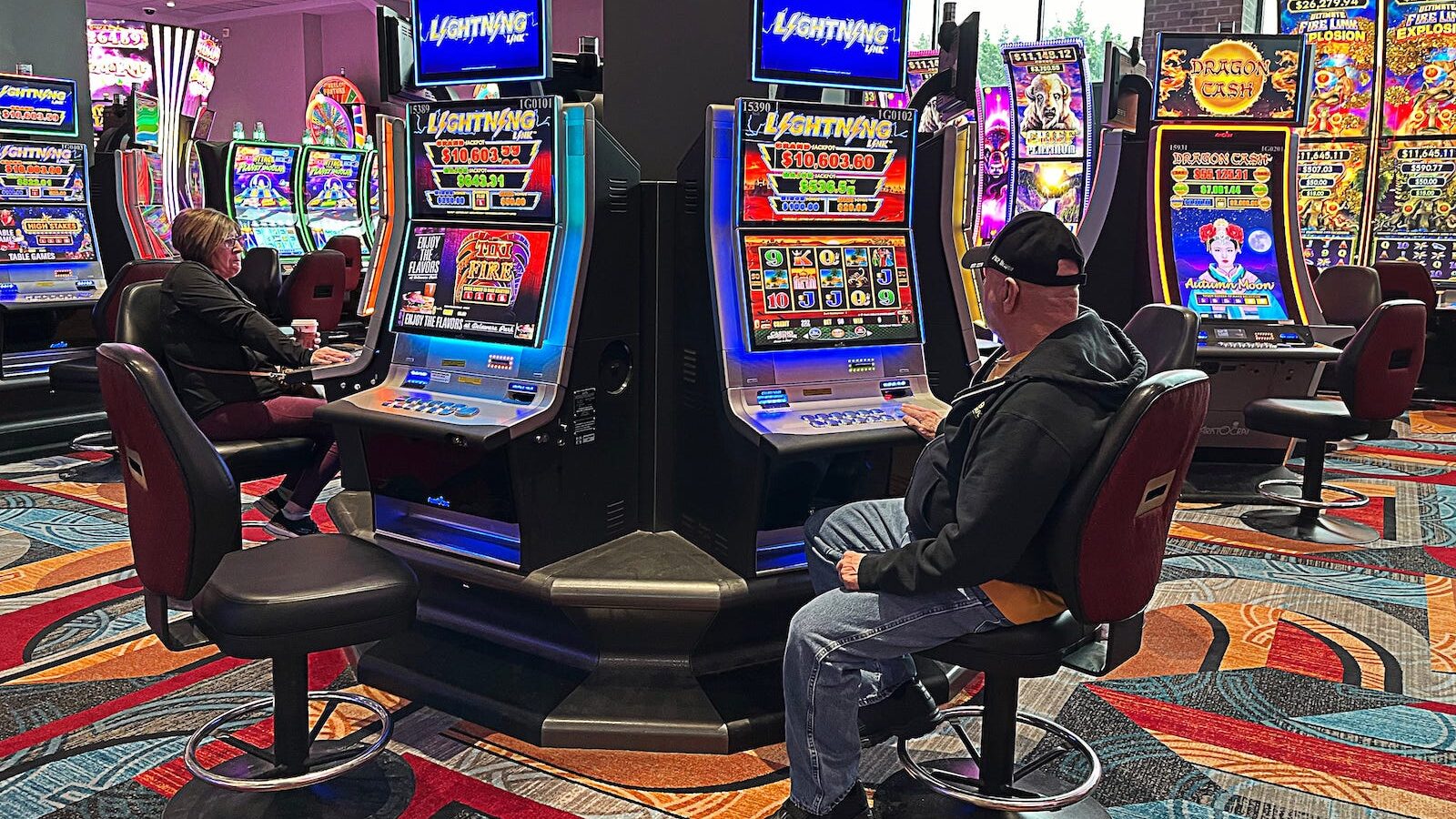
Slot Secrets: Turn Losses into Wins
Introduction
Ever felt that sting? That gut-punch of watching your credits dwindle down to zero on a slot machine? We’ve all been there. The flashing lights, the enticing sounds, the promise of a big win – it’s a powerful pull, and sometimes, it feels like the machine is rigged against you. But what if I told you that the real key to success with slots isn’t about luck alone, but about strategy, understanding, and a healthy dose of realism?
This isn’t about guaranteeing you’ll become a millionaire overnight. Let’s be clear: slot machines are designed to favor the house in the long run. However, the real “secret” isn’t about beating the system, but about playing *smarter* within it. This means managing your bankroll, understanding the odds, and recognizing when to walk away. Think of it less as a gamble and more as entertainment with a *chance* to win, rather than an *expectation* of winning.
The Problem: The Slot Machine Black Hole
The allure of slots is undeniable. They’re easy to play, require no skill, and offer the tantalizing possibility of a life-changing jackpot. But this simplicity can be deceptive. The short-term impact of frequent losses can range from a minor dent in your entertainment budget to significant financial strain. The emotional toll can be even worse: the frustration of repeated losses, the addictive pursuit of “just one more spin,” and the potential for guilt and regret.
Long-term, consistently chasing losses on slot machines can lead to serious financial problems, impacting savings, investments, and even relationships. The psychological effects can be just as damaging, potentially leading to anxiety, depression, and even gambling addiction. The worst part? Many players don’t even realize they’re developing a problem until it’s too late. They’re caught in a cycle of chasing losses, hoping to recoup what they’ve lost, which only deepens the financial and emotional hole.
Solutions: Navigating the Spin Cycle
So, how do you turn those potential losses into opportunities for entertainment and, yes, maybe even a win or two? Here are some practical strategies:
- Bankroll Management: Your Financial Lifeline
This is the cornerstone of responsible slot play. Before you even approach a machine, decide on a budget – a *realistic* budget that you’re comfortable losing. This is money you’re prepared to spend on entertainment, just like going to a movie or a concert.
- Example: Let’s say you allocate $100 for a night out at the casino. Once that $100 is gone, you walk away. No exceptions.
- Practical Tip: Divide your budget into smaller chunks. If you’re playing for a few hours, allocate a certain amount per hour. This helps you avoid blowing your entire budget in the first 15 minutes.
- Understanding the Odds: Decoding the Matrix
Slot machines aren’t created equal. Each machine has a different Return to Player (RTP) percentage, which indicates the percentage of wagered money that the machine is programmed to pay back to players over time. Look for machines with higher RTPs. This information is often available online or by asking a casino employee.
- Example: A slot machine with a 96% RTP theoretically pays back $96 for every $100 wagered. While this is a theoretical average over millions of spins, it gives you a better chance of winning than a machine with a 90% RTP.
- Practical Tip: Don’t be afraid to shop around. Different casinos and even different machines within the same casino can have varying RTP percentages. Do your research beforehand.
- Choosing the Right Machine: The Art of Selection
Not all slot machines are created equal. Consider these factors:
- Volatility: High volatility machines offer larger, less frequent payouts, while low volatility machines offer smaller, more frequent payouts. Choose a machine that aligns with your risk tolerance and playing style. If you prefer smaller, more consistent wins, opt for a low volatility machine. If you’re chasing that big jackpot and are willing to risk more for a bigger payout, a high volatility machine might be more appealing.
- Paylines: Understand how the paylines work. More paylines increase your chances of winning, but also increase your bet per spin. Decide if you want to maximize your chances of hitting something, or are happy with occasional wins at a higher payout percentage
- Bonus Features: Look for machines with bonus features like free spins, multipliers, and bonus rounds. These can significantly increase your chances of winning and add excitement to the gameplay.
- Knowing When to Walk Away: The Discipline of a Pro
This is arguably the most crucial skill. Set win and loss limits before you start playing and stick to them religiously.
- Example: If your initial budget is $100, set a loss limit of $50. If you lose $50, walk away. Conversely, set a win limit. If you double your money to $200, cash out and enjoy your winnings.
- Practical Tip: Use the casino’s loyalty program to track your spending and set alerts. Many casinos offer tools to help you monitor your play and set limits.
- Alternative Approaches: Beyond the Basics
- Play Free Games: Before committing real money, try playing free versions of slot games online. This allows you to get a feel for the game’s mechanics, volatility, and bonus features without risking any of your own money.
- Seek Professional Help: If you feel like you’re losing control of your gambling, don’t hesitate to seek professional help. Organizations like Gamblers Anonymous offer support and resources for individuals struggling with gambling addiction.
- Explore Other Entertainment Options: Remember that gambling should be a form of entertainment, not a source of income. Explore other hobbies and activities that you enjoy and that don’t involve financial risk.
Case Study: Sarah’s Success Story
Sarah, a frequent casino visitor, used to chase losses relentlessly. After implementing the strategies above, she completely changed her approach. She now sets a strict budget, researches the RTP of the machines she plays, and adheres to her win and loss limits. While she still experiences losses occasionally, she’s no longer chasing them, and she’s actually had a few winning sessions, primarily by knowing when to stop. “It’s not about getting rich,” she says. “It’s about having fun without putting myself in a bad financial situation.”
Conclusion: Taking Control of Your Game
Turning losses into wins in the world of slots isn’t about finding a secret formula or cheating the system. It’s about adopting a responsible and strategic approach. By managing your bankroll, understanding the odds, choosing the right machines, and knowing when to walk away, you can transform your slot-playing experience from a potentially destructive habit into a fun and enjoyable form of entertainment.
Remember, the goal isn’t to become a professional gambler. It’s to play responsibly, have fun, and maybe even walk away with a little extra cash. So, go out there, armed with these strategies, and take control of your game. You might be surprised at the positive changes you’ll see in your financial and emotional well-being. Good luck, and remember to always play responsibly!